Health & Wellness | Advertorial
What Your Podiatrist Isn't Telling You About Your Foot Pain (And Why They Won't)
A 23-Year Foot Specialist Reveals The Billion-Dollar Lie That's Keeping You In Pain — And The Simple Solution The Industry Doesn't Want You To Know About
By Margaret Reynolds | Health & Wellness
November 23, 2025
Dr. Rachel Morrison spent 23 years as a podiatrist in Seattle.
She built a thriving practice. Treated thousands of patients. Prescribed countless orthotics, recommended dozens of surgeries, and followed every protocol she learned in medical school.
Then, three years ago, she did something that cost her half her income — and nearly ended her career.
She started telling her patients the truth.
I sat down with Dr. Morrison to understand what she discovered — and why the foot care industry doesn't want you to know about it.
What she told me will change how you think about your feet for
"I Was Part Of The Problem For 20 Years"
INTERVIEWER: Dr. Morrison, you've said publicly that you 'harmed patients for 20 years.' That's a strong statement. What do you mean by that?
DR. MORRISON: I mean exactly what I said. For two decades, I prescribed treatments that gave temporary relief but made the underlying problem worse. I didn't know it at the time — I was doing what I was trained to do. But that doesn't change the outcome.
INTERVIEWER: What treatments are you referring to?
DR. MORRISON: Orthotics. Arch supports. Cushioned insoles. "Supportive" footwear. Cortisone injections. All the standard-of-care treatments for plantar fasciitis, flat feet, heel pain, bunions — you name it.
INTERVIEWER: Those are mainstream treatments. Every podiatrist prescribes them.
DR. MORRISON: Exactly. And that's the problem. We're all trained the same way. We all prescribe the same things. And foot problems are getting WORSE, not better. Doesn't that tell you something?
She leaned forward.
The Billion-Dollar Lie
DR. MORRISON: Let me tell you how this industry actually works.
Custom orthotics — the kind podiatrists prescribe — cost $300 to $800 per pair. The actual manufacturing cost? About $30 to $50.
INTERVIEWER: That's a significant markup.
DR. MORRISON: It's how most podiatry practices stay profitable. Orthotics are the bread and butter. And here's the thing — patients keep coming back for new ones. Because their feet never actually get better.
INTERVIEWER: You're saying orthotics don't work?
DR. MORRISON: I'm saying they work like a crutch works. If you break your leg, a crutch helps you walk. But if you use a crutch for 10 years, your leg gets weaker, not stronger.
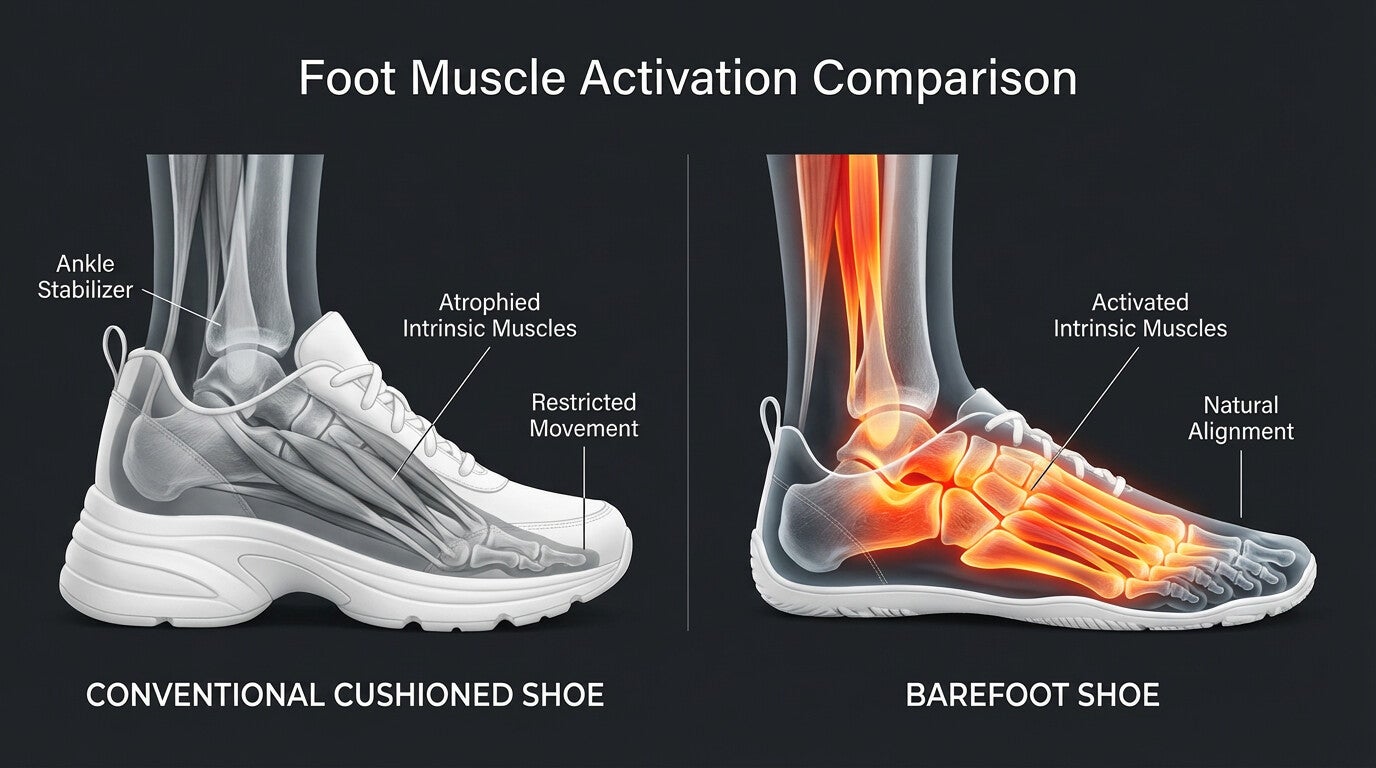
Orthotics "support" your arch — which means your arch muscles don't have to work. Over time, those muscles atrophy. Your feet get weaker. You become MORE dependent on the orthotics.
It's a perfect business model, actually. The treatment creates the need for more treatment.
INTERVIEWER: That sounds almost... predatory.
DR. MORRISON: I don't think most podiatrists are intentionally predatory. They believe what they were taught. I believed it too. But when you follow the money, the incentives become clear.
"Your Foot Has 29 Muscles. We're Taught To Ignore Them."
INTERVIEWER: What changed your mind about all this?
DR. MORRISON: Three years ago, I started reading research from outside the mainstream podiatry world. Biomechanics researchers. Evolutionary biologists. Scientists who study barefoot populations.
And I discovered something that should have been obvious: Human feet are designed to work.
INTERVIEWER: Meaning?
DR. MORRISON: Your foot has 29 muscles. Twenty-nine! Those muscles are designed to support your arch, absorb shock, provide balance, and propel you forward. They're incredibly sophisticated.
But in podiatry school, we barely learn about them. We learn about bones. Ligaments. Tendons. We learn that when something hurts, you support it, cushion it, immobilize it.
We're essentially taught to treat the foot like it's broken — even when it's not.
INTERVIEWER: What happens when you "support" a foot that isn't broken?
DR. MORRISON: The same thing that happens when you put any muscle in a cast: it atrophies. Gets weaker. And weak muscles can't support the structures they're supposed to support. So you get more pain, more instability, more problems. Which leads to... more orthotics. More support. More weakness. It's a downward spiral.
The Research They Don't Want You To See
INTERVIEWER: Is there research supporting what you're saying?
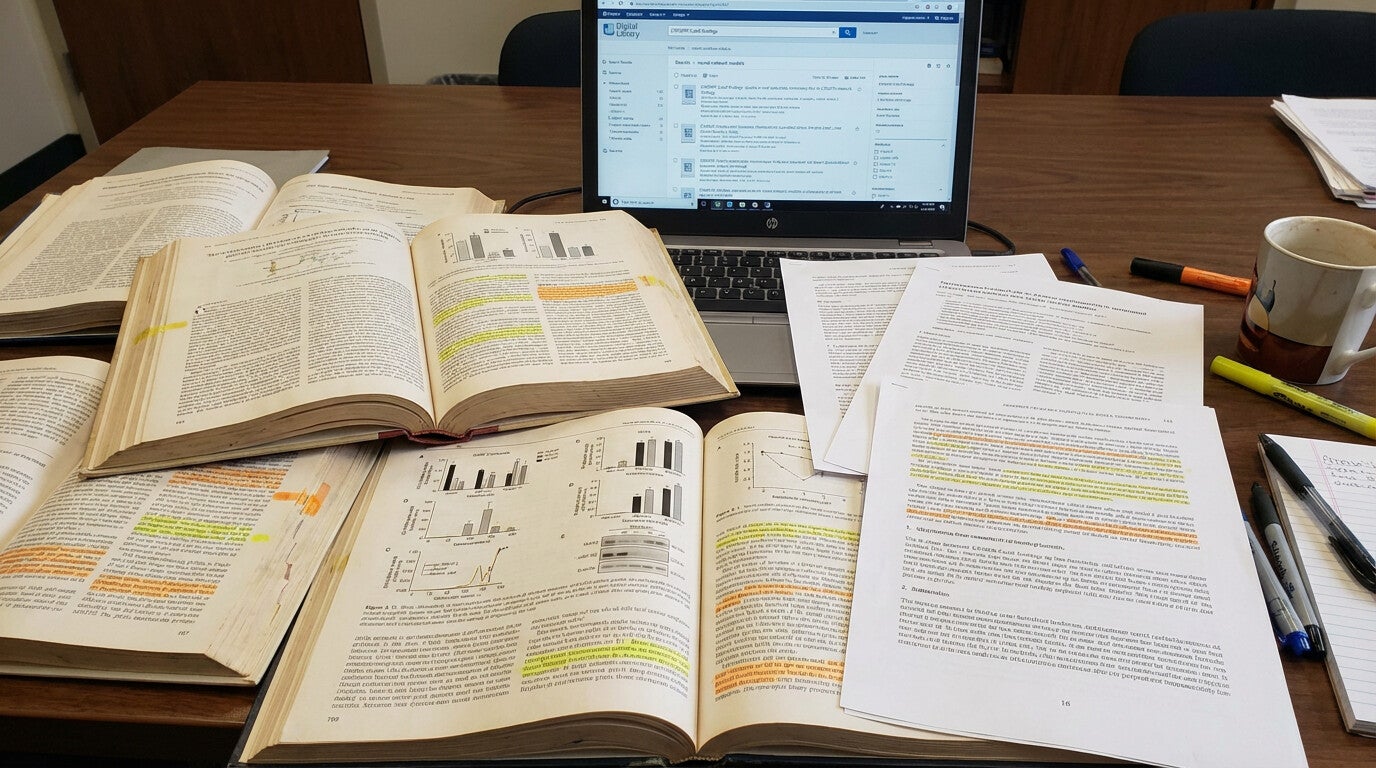
DR. MORRISON: Plenty. It's just not the research that gets presented at podiatry conferences — which are often sponsored by orthotic companies.
There was a study in the Nature journal group that found adults who switched to minimalist footwear for 6 months increased foot muscle strength by 57%. Fifty-seven percent!
Another study found that people in cultures who go barefoot have virtually no plantar fasciitis. Zero. It's almost entirely a modern, developed-world problem.
INTERVIEWER: So the solution is... going barefoot?
DR. MORRISON: Ideally, yes. But that's not practical for most people. You can't walk around the grocery store barefoot. What you CAN do is wear shoes that let your feet work the way they're designed to — what we call "barefoot shoes" or "minimalist footwear."
"I Started Recommending The Opposite Of What I Was Taught"
INTERVIEWER: What do these barefoot shoes do differently?
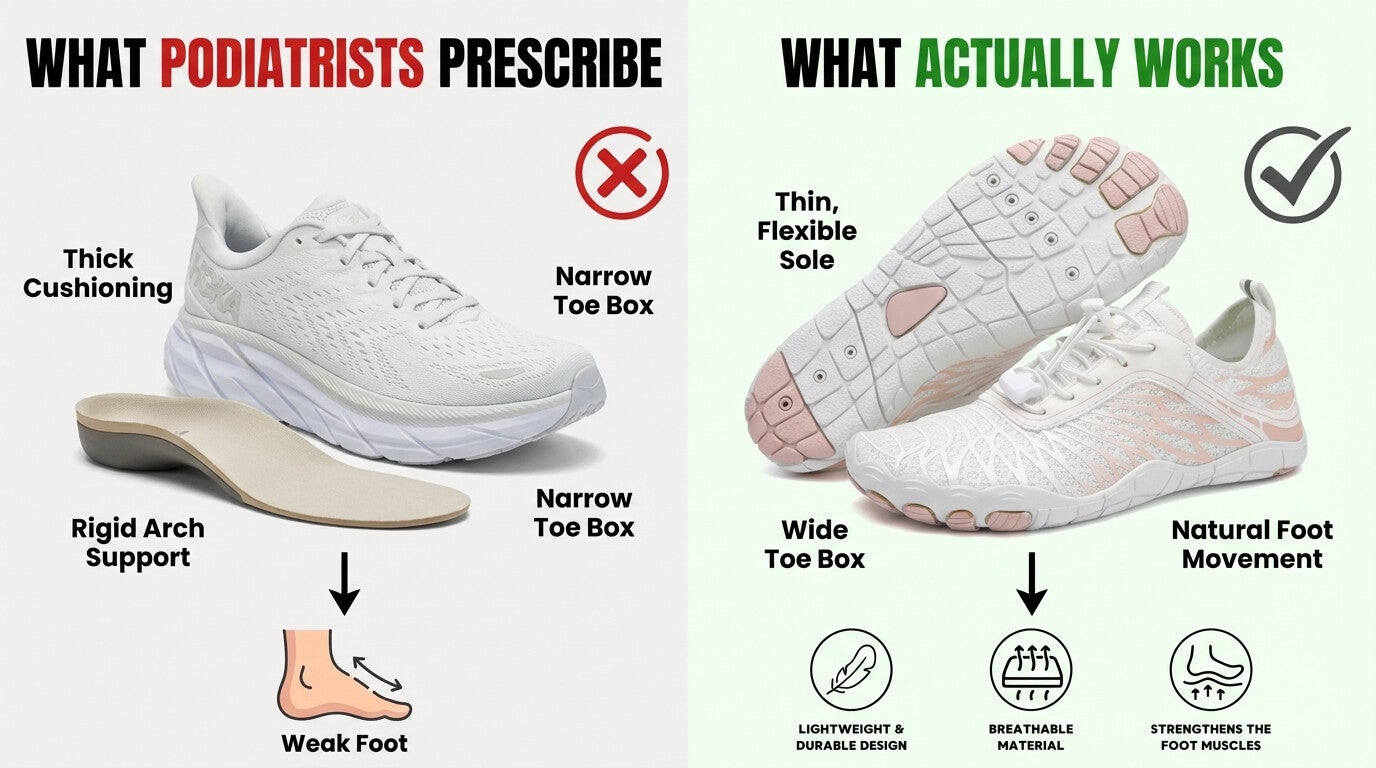
DR. MORRISON: Everything opposite of conventional "supportive" footwear.
What conventional shoes do (and why it's harmful):
❌ Thick cushioned soles — blocks sensory feedback, muscles don't engage
❌ Narrow toe boxes — crushes toes together, eliminates natural grip
❌ Elevated heels — throws off posture, shortens calf muscles
❌ Rigid arch support — does the work muscles should do, creates dependency
What barefoot shoes do (and why it works):
✅ Thin flexible soles — all 29 foot muscles activate with every step
✅ Wide toe box — toes can spread, grip, and balance naturally
✅ Zero heel drop — proper alignment, full foot engagement
✅ Flexible construction — builds strength instead of dependency
DR. MORRISON: When I started recommending these to patients instead of orthotics, something remarkable happened. They actually got better. Permanently.
INTERVIEWER: What kind of results?
DR. MORRISON: Patients who'd had chronic plantar fasciitis for years — gone in 6-8 weeks. People who'd been told they needed surgery — cancelled their procedures. Seniors who were losing mobility — walking 2-3 miles a day again. It sounds like I'm exaggerating, but I'm not. When you let the foot do what it's designed to do, it heals itself.
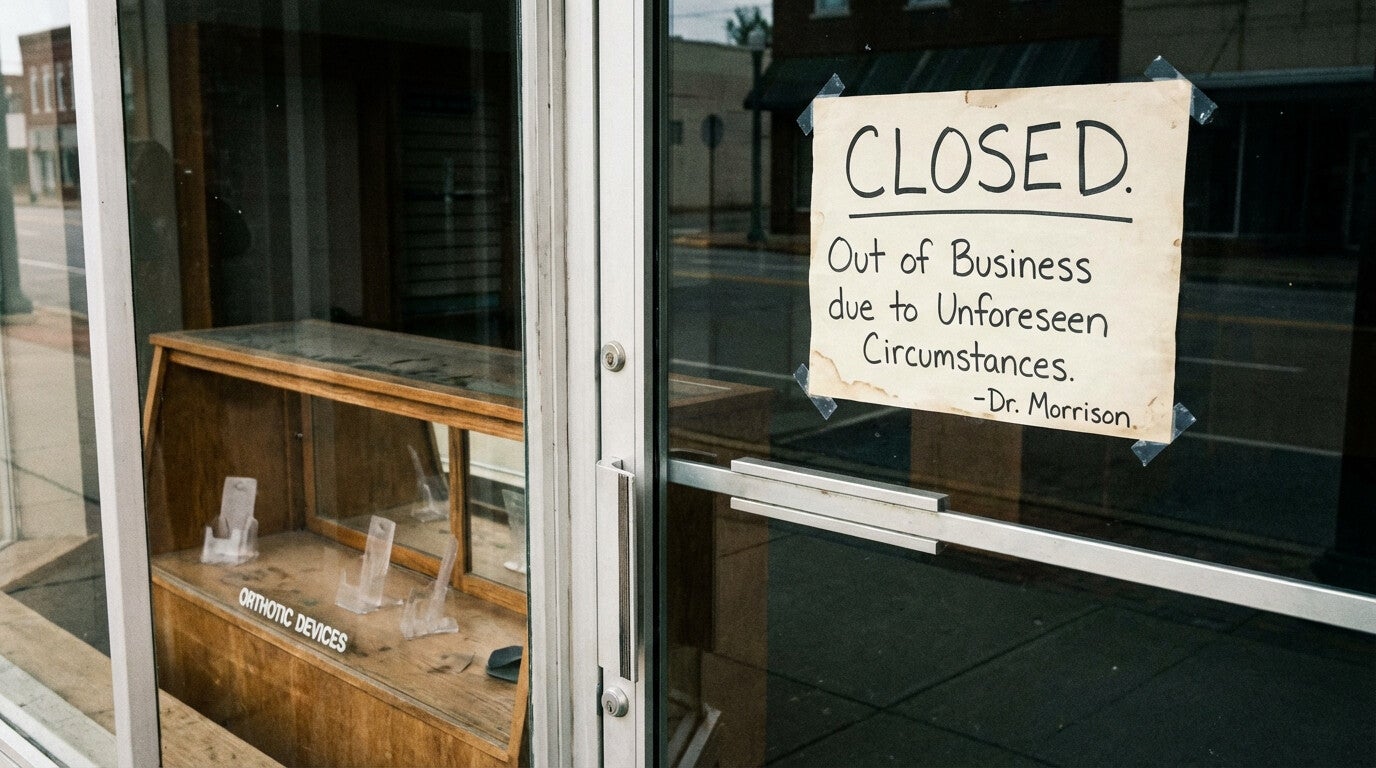
"This Cost Me Half My Income"
INTERVIEWER: You mentioned this cost you half your income. What happened?
DR. MORRISON: When you stop prescribing orthotics, you stop making money on orthotics. That was about 40% of my practice revenue.
But here's the other part: when patients actually get better, they stop coming back.
INTERVIEWER: That's... counterintuitive as a business model.
DR. MORRISON: [Laughs] Terrible business model. Great for patients though. I sleep better now than I have in 20 years.
INTERVIEWER: Any pushback from colleagues?
DR. MORRISON: Some. A few have told me I'm "dangerous" or "irresponsible." But more and more are quietly reaching out, asking questions. The research is becoming impossible to ignore. Change is coming — it's just slow.
That extra strength and balance help you prevent falls.
"The longer you wear them, the stronger you become. You're doing physical therapy with every step."
What She Recommends Now
INTERVIEWER: If someone is reading this and wants to try barefoot shoes, what do you recommend?
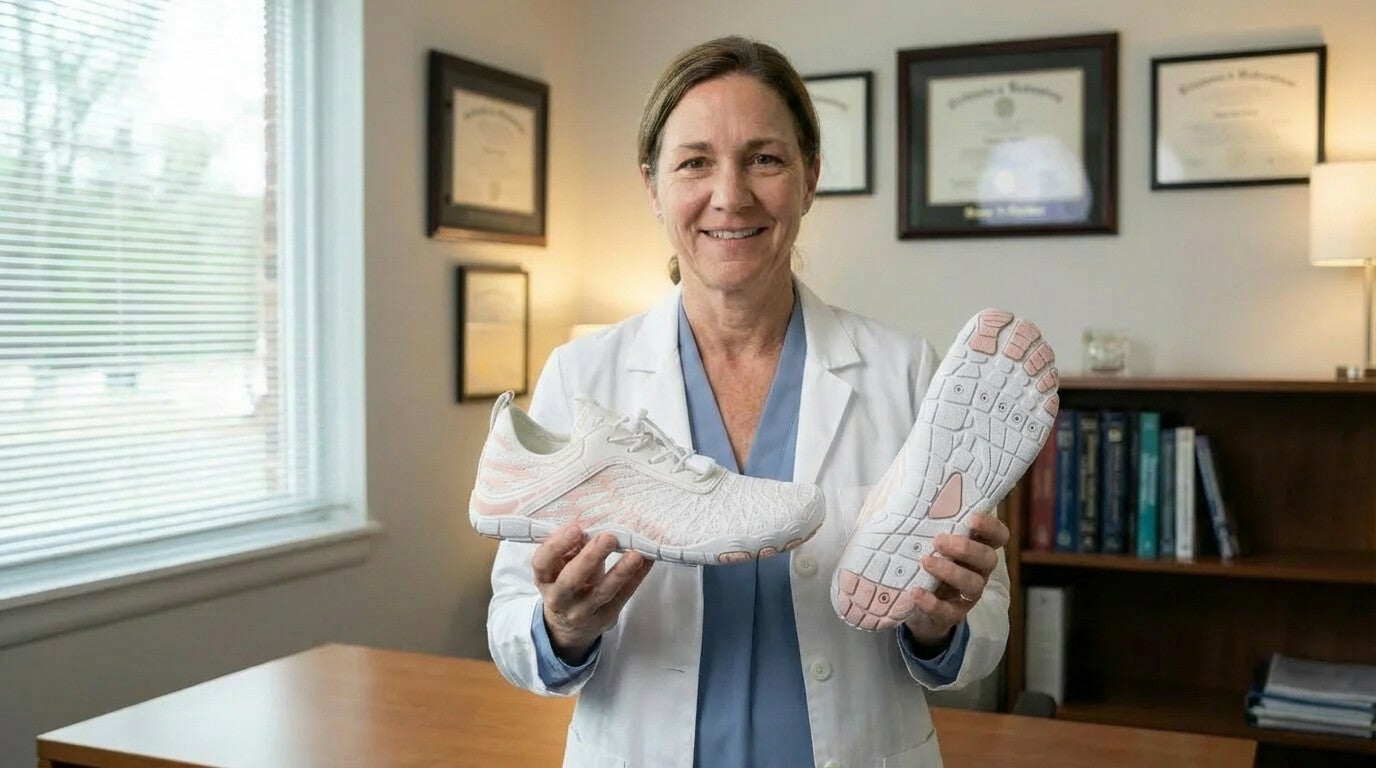
DR. MORRISON: There are several good brands out there. The one I recommend most often to my patients is Lorax Pro. They hit all the key points — thin sole, wide toe box, zero drop, flexible construction — but they also look like normal shoes. That matters because people will actually wear them.
INTERVIEWER: Any disclosure there?
DR. MORRISON: I have no financial relationship with Peakfootwear or any barefoot shoe company. I recommend them because they work. That's it.
INTERVIEWER: Any advice for someone just starting?
DR. MORRISON: Start slow. Your foot muscles haven't worked in years — maybe decades. They need time to strengthen.
Wear the barefoot shoes for an hour the first day. Two hours the second. Build up gradually over a few weeks. Your feet will be tired at first — that's good. That means the muscles are finally working.
Most people see significant improvement in 4-6 weeks. By 8-12 weeks, the transformation is usually dramatic.
INTERVIEWER: Any final thoughts?
"Your feet are not broken. They're weak. And weak can be fixed.
Don't let anyone tell you that you need to 'support' your feet forever, or that pain is just 'part of getting older.' That's not medicine — that's giving up.
Your feet carried you for decades. Give them a chance to work again. You might be amazed at what they can do."
Editor's Note: Where To Find The Shoes Dr. Morrison Recommends
1
Cleanse your face
2
Apply the serum cartridge and stamp
3
See results in under an hour
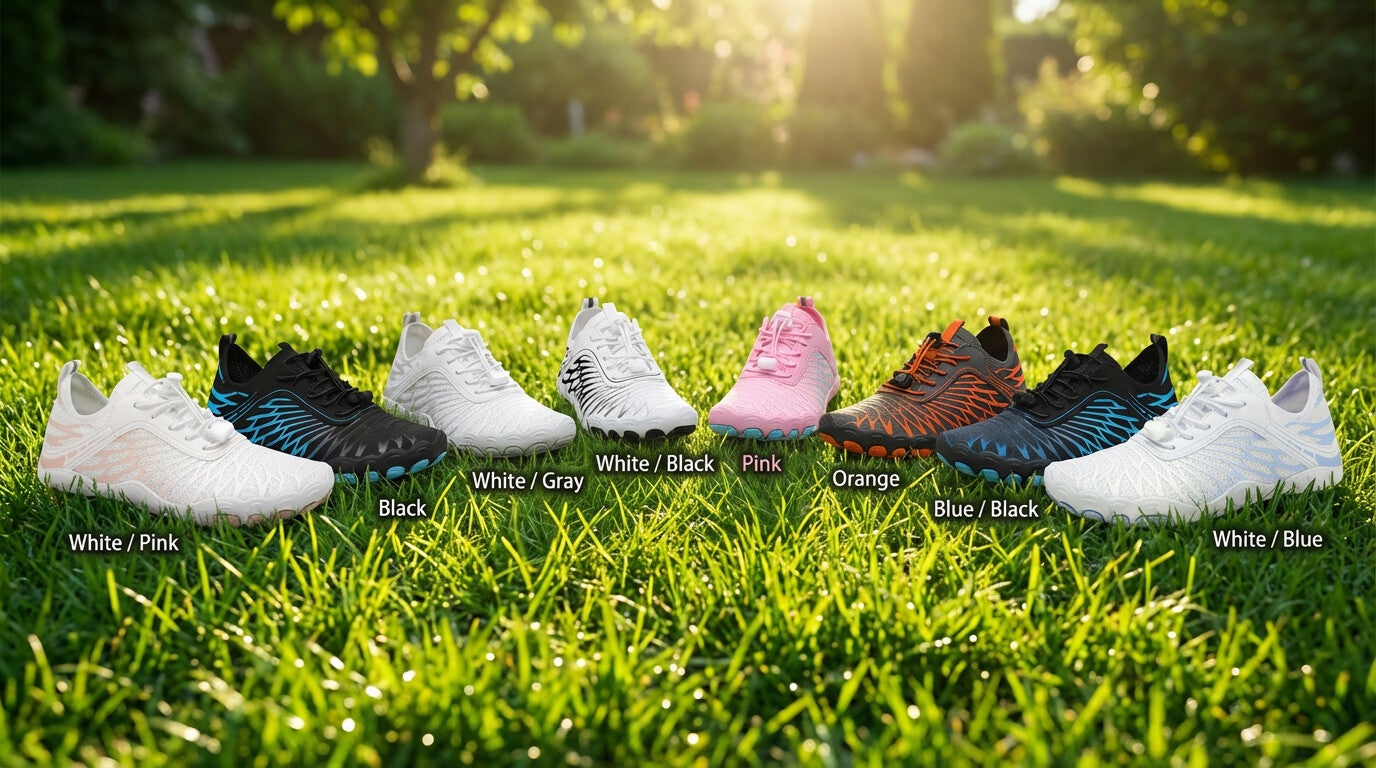
After our interview, we looked into Lorax Pro — the barefoot shoes Dr. Morrison recommends to her patients.
They're available directly from the manufacturer at www.peak-footwear.com
Currently, they're running a limited promotion:
✅ 50% OFF retail price
✅ FREE Insured Shipping
✅ 30-Day Money-Back Guarantee

The Numbers That Should Concern You
• The orthotic industry is worth $4.5 billion annually
• Plantar fasciitis rates have increased 40% in the past decade
• The average person spends $1,200/year on "supportive" footwear
• Barefoot populations have virtually zero plantar fasciitis
The industry profits when your feet stay weak. You don't have to let them.
You have two choices:
Option #1
Keep doing what your podiatrist says. Buy more orthotics. Wonder why your feet never actually get better.
Spend thousands on treatments that create the need for more treatment.
Or Option #2:
Try what 255,000 people have discovered — and what doctors like Dr. Morrison are finally recommending.
Give your feet a chance to work again. See what happens when you stop treating them like they're broken.

30-Day Money Back Guarantee

Ships Within 24 Hours

Secure Checkout

100,000+Satisfied Customers
Covered By A 100% Money Back Guarantee!
100%
Money Back
Guarantee
100%
Money Back
Guarantee
You can try this micro-infusion device completely risk-free!
That means if you are not 100% satisfied with your purchase, the manufacturer will return your investment... every single penny... with zero hard feelings.
NO hassles. NO annoying hoops to jump through. NO questions asked.
They know the likelihood of that happening is low... and that's because they've spent years perfecting their formula.
Disclaimer:
These statements have not been evaluated by the Food and Drug Administration. This product is not intended to diagnose, treat, cure, or prevent any disease. Results may vary from person to person.
Individual results may vary, testimonials are not claimed to represent typical results. Results shown may not reflect the typical user's experience, and are not intended to represent or guarantee that anyone will achieve the same or similar results.
About Us
|
Security, Privacy & Cookies
This website is an independent professional comparison and review site supported by referral fees from the sites and products featured.
© 2025 All rights reserved.

Finally The Truth!
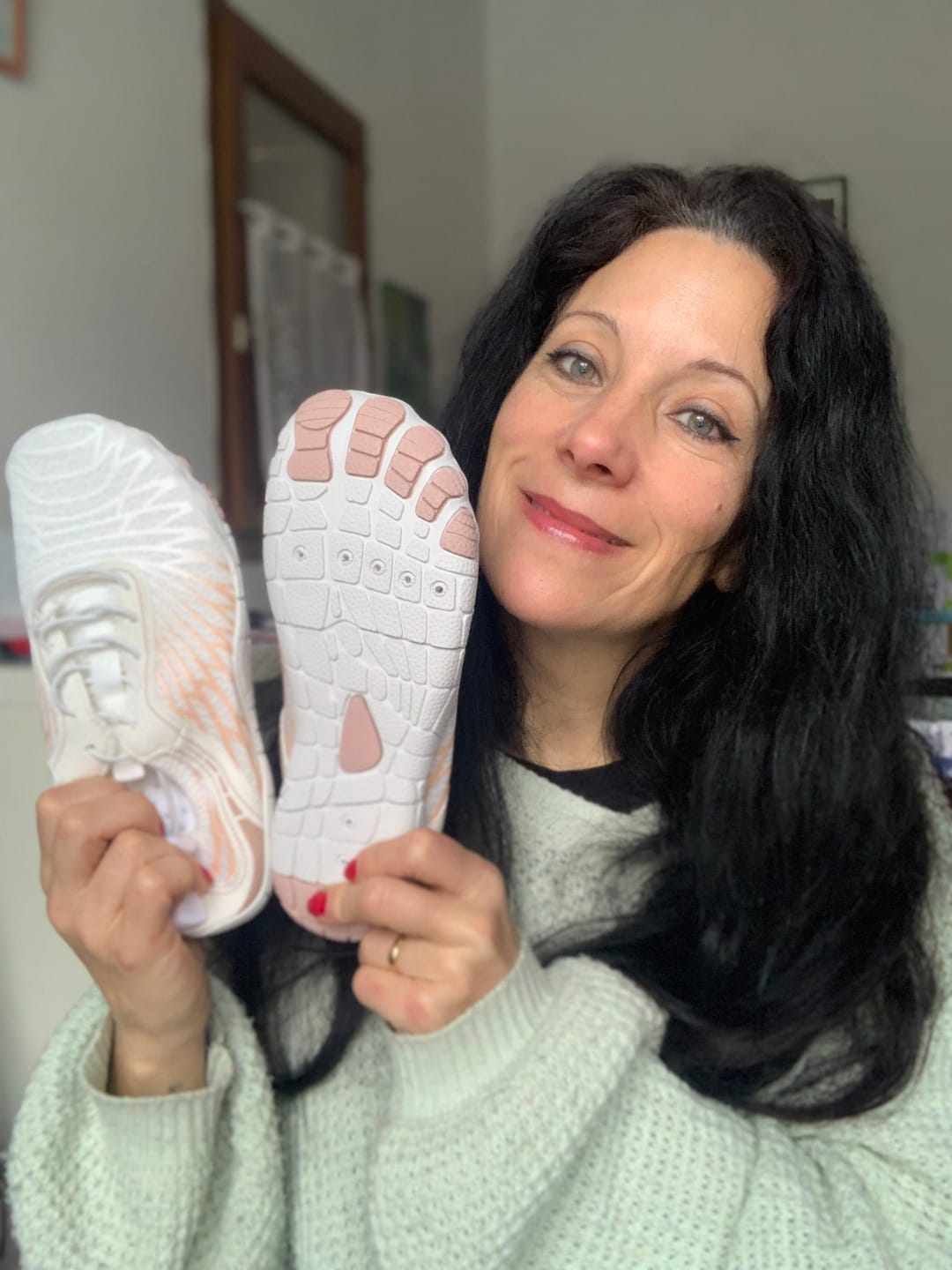
"I've been to 4 podiatrists. Each one prescribed orthotics. Each time my feet got worse. These shoes are the first thing that actually FIXED the problem instead of masking it."
Theresa R.
Tampa, FL
My Doctor Was Wrong
"My podiatrist said I'd need orthotics for life. I stopped wearing them 6 months ago, switched to these shoes, and my feet are stronger than they've been in 15 years."

Sissy H.
Trenton, NJ
Saved Me Thousands
"I calculated I spent $9,400 on orthotics, PT, and injections over 6 years. These $49 shoes did more in 2 months than all of that combined. I'm honestly angry."

Susan M.
Now I Get It
"After reading this interview I finally understood WHY nothing was working. Switched to barefoot shoes, and 8 weeks later my chronic heel pain is gone. Just gone."

Patricia L.
Phoenix, AZ